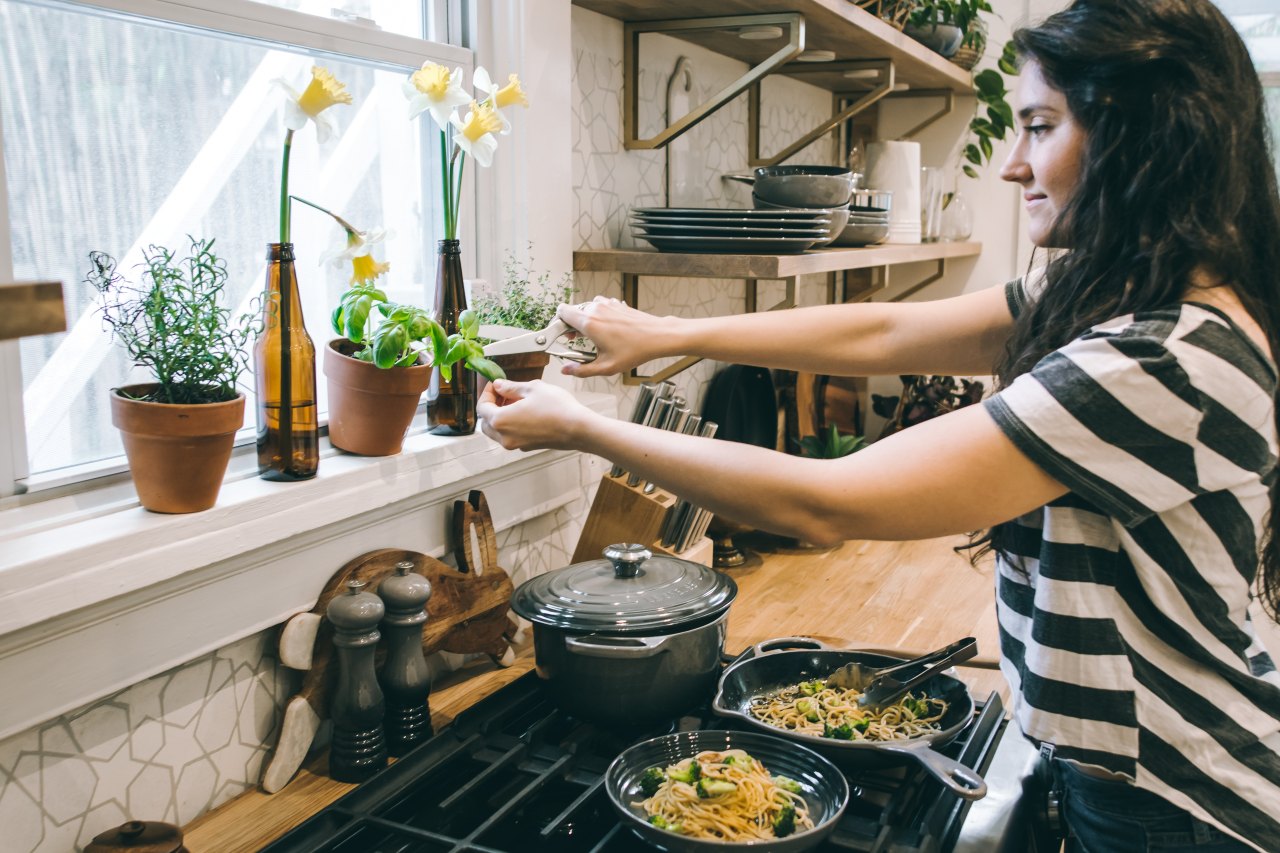
If we understand that food is necessary, then its origins and production are undeniably interlinked and influential on our social fabric.
— inspired by Wendell Berry
To be interested in food but not in food production is clearly absurd
Preparing and sharing meals—once a sacred daily ritual—has shaped culture and community for generations. It’s nothing new. But today, as technology accelerates and urban life intensifies, we’re seeing the breakdown of many core human values: presence, connection, health, fairness, and sustainability.
Is this grounds for a return to land, to nature, to simpler and more wholesome ways of living? I believe so. Teaching people to cook, to understand where their food comes from, and to share it mindfully is not just practical—it’s cultural restoration.
There is a groundswell of individuals yearning to reconnect—not only with food, but with values that have been buried beneath consumerism: mindfulness, purpose, and community. The so-called “slow food movement” is more than a trend—it’s a quiet rebellion against the erosion of meaning in our daily lives.
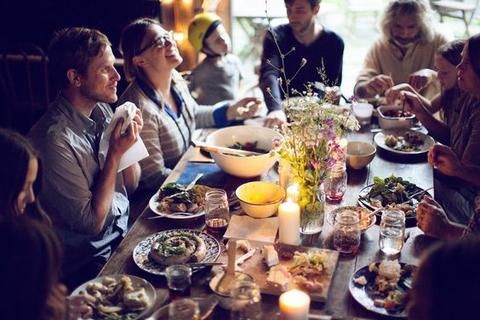
This brings us back to Wendell Berry. If food is essential, then so are its origins. Our relationship with land, producers, and ingredients is not just a lifestyle choice—it is foundational to the health of our society.
Culinary activist Claus Meyer warns that as global food systems are monopolised, we risk losing not just biodiversity but entire cultural identities. Wherever you live, there is a rich food history—a unique set of flavours and traditions that deserve to be celebrated, not overwritten by industrial sameness. Yet today, more people eat the same food produced by fewer companies than ever before.
Ultimately, the finger points to our financial system and to global corporations that profit from our disconnection. Consumers are left with little power to choose how they engage with food or with culture. The system works best when we don’t ask questions.
And why would we? When our gullibility is an economic resource, marketing students are taught to manufacture disconnection. We live in a service economy that doesn’t serve and an information economy that doesn’t inform. Every brand is somehow better than every other, and our needs are engineered out of our wants.
What you eat, what beer you drink, what milk you put in your coffee—these decisions are increasingly controlled, standardised, and stripped of meaning to fit a model of faster, cheaper, more. But have you ever asked: how did they make it so cheap?
More and more, I believe food is central to our existence. How we grow, prepare, share, and value it shapes our sense of identity, fairness, health, and hope. If we lose our connection to food, we lose far more than flavour. We lose part of what makes us human.
We should be celebrating where our food comes from—because in doing so, we remember who we are.
 SACRED THINGS