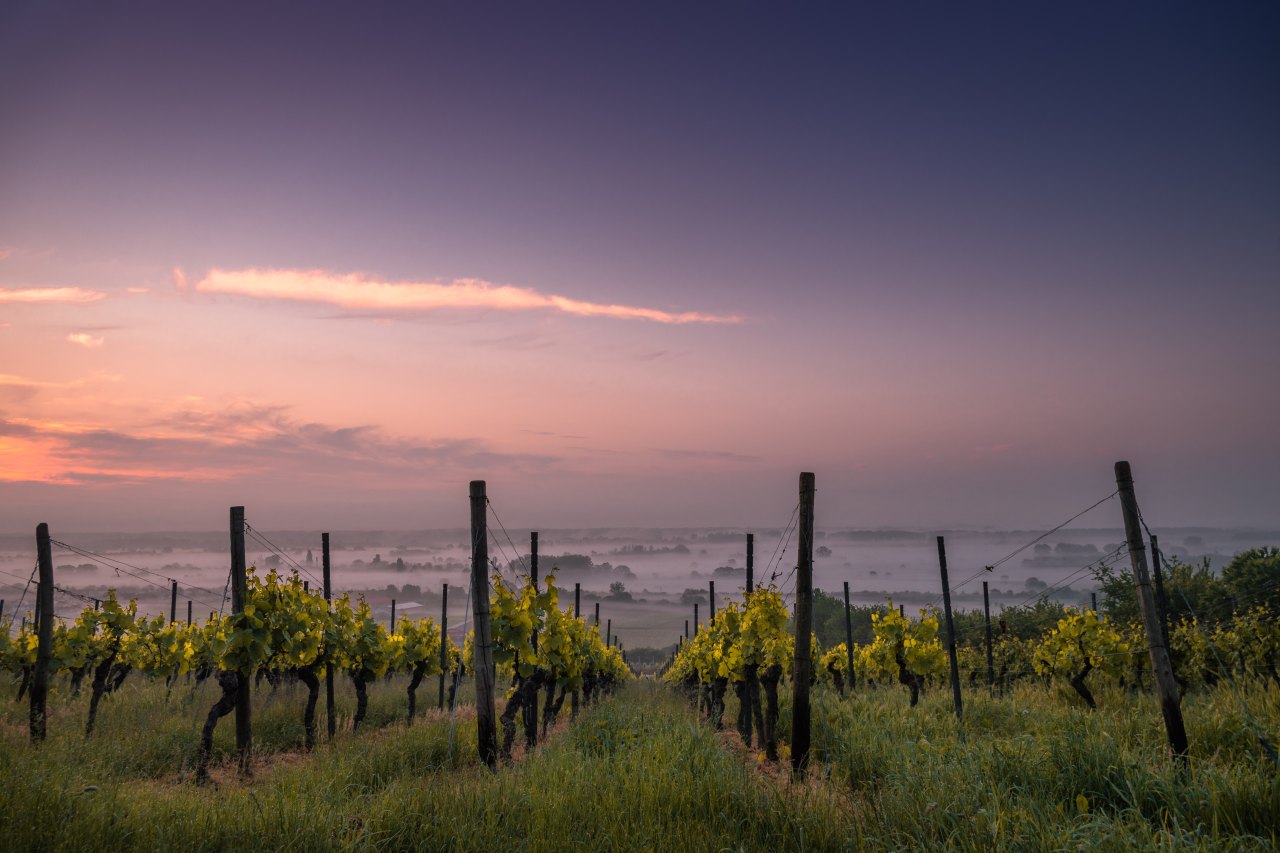
“We eat every day, and if we do it in a way that doesn’t recognise value, it’s contributing to the destruction of our culture and of agriculture. But if it’s done with a focus and care, it can be a wonderful thing. It changes the quality of your life.
Alice Waters
Alice Waters’ words challenge us to rethink our daily relationship with food. They remind us that eating is not just a routine act, but a cultural expression—one that can either nurture or diminish our connection to the land, to tradition, and to each other.
One way to explore this connection is through the idea of terroir—a French term often used in the wine world, meaning “the taste of place.” Derived from the Latin terra (earth), it acknowledges that food is shaped by the natural environment: soil, climate, water, and human care. Terroir implies that origin matters. It reminds us that food is not generic—it’s rooted.
We experience terroir more often than we realise. We talk about blackberry notes in wine or dry grass in tequila. We instinctively pair white wine with fish or roast lamb with rosemary. These habits may sound technical, but they stem from generations of cultural memory and sensory connection to the land.
Yet in today’s consumerist food culture, these meanings are fading. Uniformity, convenience, and shelf life dominate. Food has become a product, stripped of its origin story. Where once a Sunday roast or a bowl of seasonal fruit evoked place and ritual, now taste is flattened and disconnected from land or season.
The industrialisation of food has blurred what was once a clear signature of origin. Climate, soil, seasonal patterns, and traditional techniques—these all used to shape what we ate and how we celebrated it. Today, many of these unique qualities are being smudged out by globalised supply chains and mass production.
France: A Culture of Preservation
In France, terroir is more than a concept—it’s a way of life. Food and drink are expressions of place, tradition, and identity. Cheese made by the same breed of cow in two different valleys can taste entirely different due to variations in terrain and technique—and this difference is honoured, protected, even celebrated.
To preserve these cultural signatures, France established the Appellation d’Origine Contrôlée (AOC) system, which legally protects origin and method. Policies like the National Program for Food and regional recipes tied to terroir help ensure that place-based food traditions endure.
Australia: A New Understanding
In Australia, terroir is less commonly discussed, but no less relevant. Writer Max Allen draws rich parallels between French terroir and Aboriginal languages that reflect a deep, spiritual connection to land. Words like Pangkara (Kaurna) and Beek (Boon Wurrung) point to a cultural understanding that humans belong to land, not the other way around.
Australia’s unique topography—estuaries, rainforests, woodlands, grasslands—has supported life for over 60,000 years. Our wine, dairy, seafood, and spirits industries increasingly embrace the idea of celebrating local environments. And with fewer regulations compared to Europe, there is room for experimentation and innovation.
But this openness is a double-edged sword. Without cultural frameworks to honour origin, we risk repeating the mistakes of industrialisation—turning food into trend, and land into commodity.
Conclusion: Why Taste Still Matters
Understanding terroir isn’t just about elevating wine tasting. It’s about recognising that food comes from somewhere, that it carries the imprint of land, weather, hands, and culture. When we lose that awareness, we lose more than flavour—we lose a part of ourselves.
In a world of global supply chains and digital convenience, terroir offers a way back. It reminds us that food can still be sacred. It can still tell a story. And in doing so, it can help us restore connection—to land, to each other, and to the rhythms that sustain us.
 SACRED THINGS