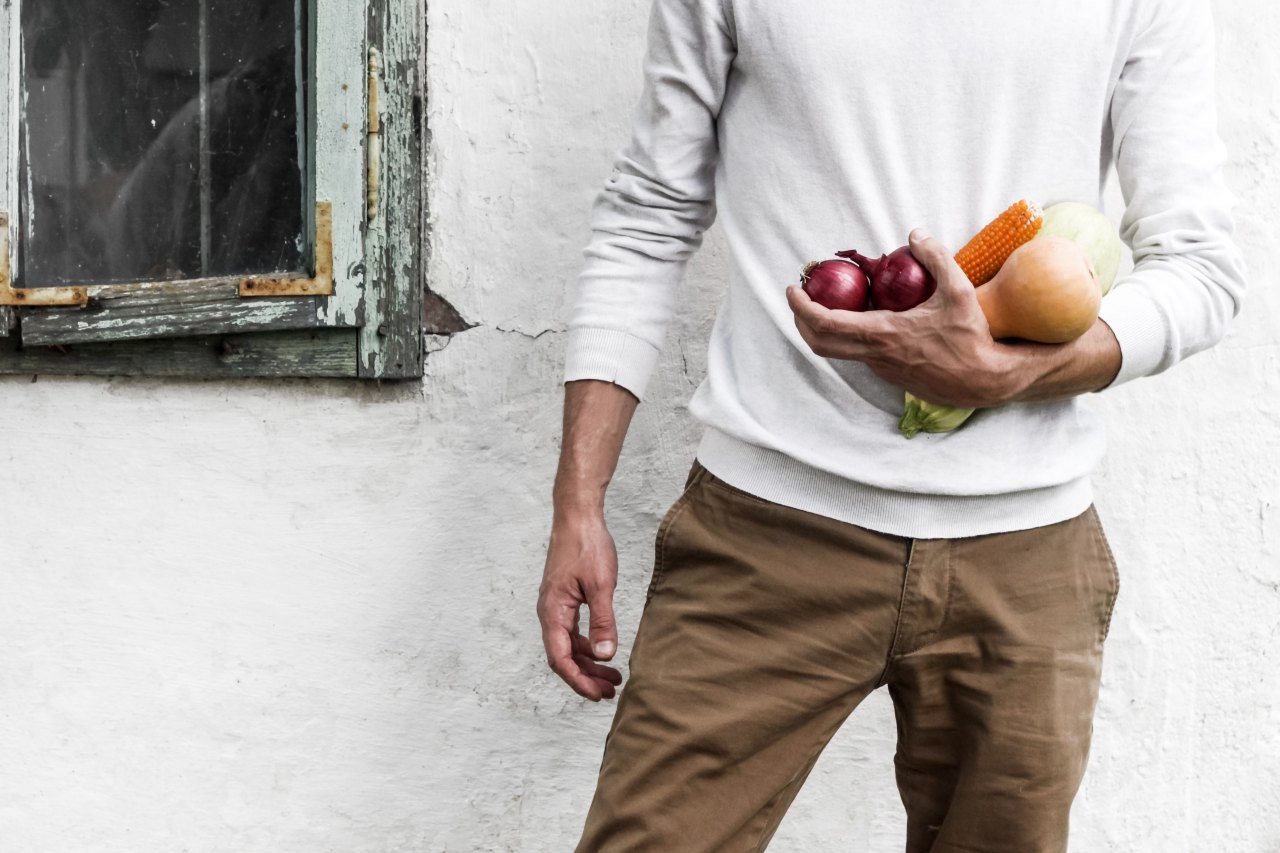
I’m the youngest of four boys, raised by loving, grounded parents in country New South Wales. From early on, I absorbed a blend of traditional Australian values and a more holistic, outward-looking perspective. Education was important. So was getting your hands dirty. I was taught to respect knowledge, seek adventure, appreciate nature, work hard, and treat others with care.
Growing up in the Central West—a region shaped by weather, soil, and seasons—I was surrounded by agriculture. Food came from the garden, not just the shops. My connection to the land was quiet but constant, embedded in daily life. I now see how deeply those early experiences shaped me. They planted something lasting—an instinct to stay close to the earth. For that, I owe my parents a great deal..
Now living in a city, and surrounded by an impressive human-made ecosystem its distinct to see how some industrial systems while advancing society in some ways are causing an assault on our connection to land and our being — driving a distance between people, the land and the food we consume.
Travelling the country and the world, working and finding a professional trade in the industry of Hospitality, I find my self un-easy. My love for food the relationship I hold with what I consume seems to have very little place in a world of consumers. My local urban human-made ecosystem is built on industrialised systems, not on relationships with the land or valuing quality.
Now I live in the city. I’ve spent years travelling, working in hospitality, and learning from kitchens, people, and places around the world. But in the midst of this built-up, industrialised world, something has always felt off. The further I drifted from the land, the more uneasy I became.
I built a career in the food and beverage industry because I love food. I love its story, its power to bring people together. But in the modern hospitality landscape, I’ve struggled. The values that first drew me in—connection, care, craft—are often at odds with what the industry rewards: speed, profit, trend. We talk about relationships and being hospitable, yet quality, staff wellbeing, and sustainability are often the first things sacrificed in the name of convenience and consistency.
If there’s a problem, I believe it didn’t begin with hospitality. It runs deeper. Consumerism encourages detachment. It tells us what’s good, what’s fashionable, where to eat, what to drink. It turns culture into branding. And many of us accept it, because comfort and ignorance often go hand in hand.
The distance between where I began and where I stand now feels significant. But not without purpose.
In recent years, I’ve moved into teaching—something that’s reshaped my relationship with these ideas. Working with children has reignited the values that shaped me as a child: curiosity, connection, and care for the world around us. In teaching, I’ve found a new space to explore these tensions between nature and industry, tradition and progress. It’s become part of my work to help the next generation ask better questions.
These diary entries are part of my own ongoing inquiry—a way to reflect, question, and reconnect. They’re driven by a desire to understand the complex relationship between food, culture, land, and people in the world we live in today
 SACRED THINGS